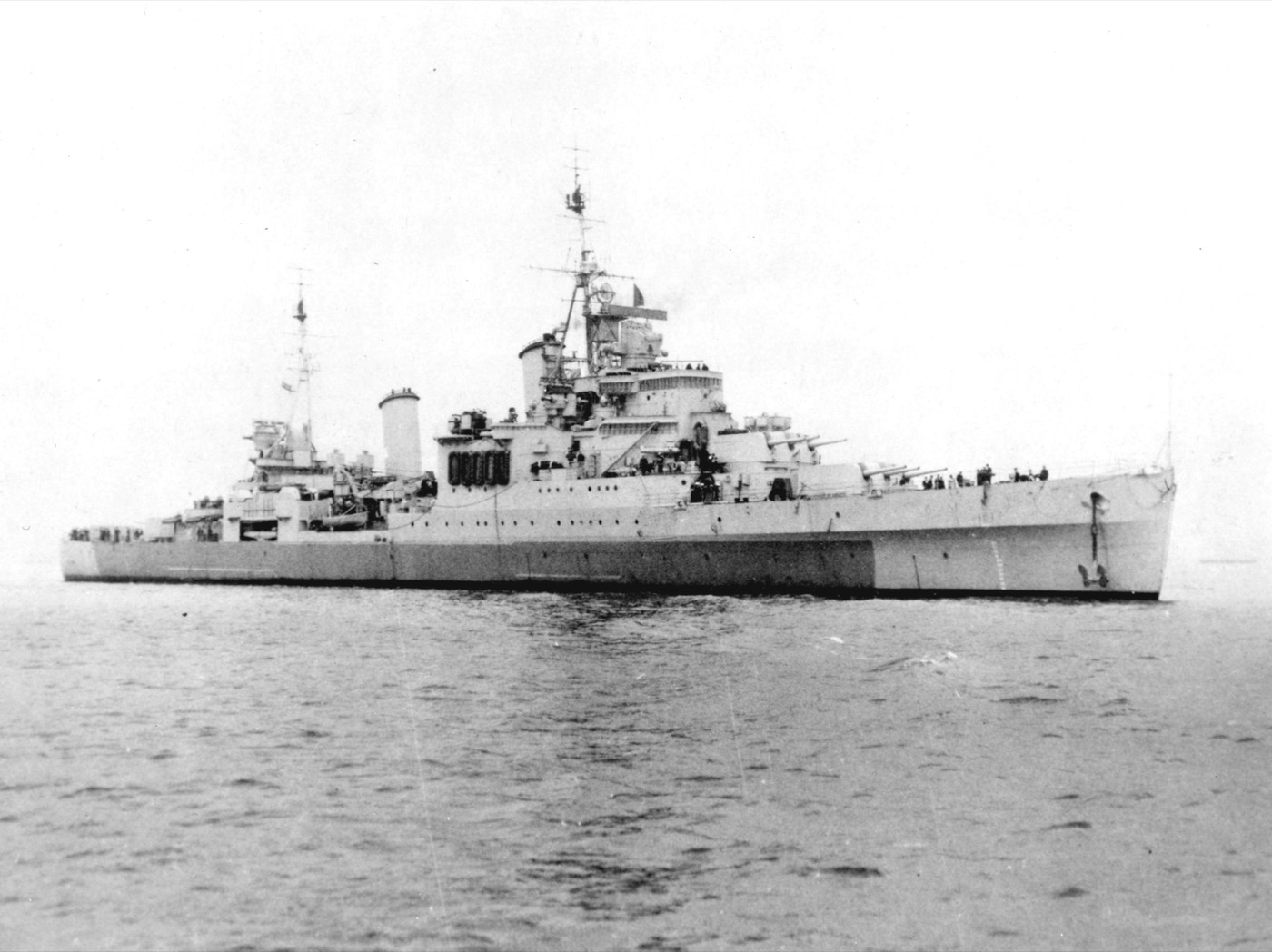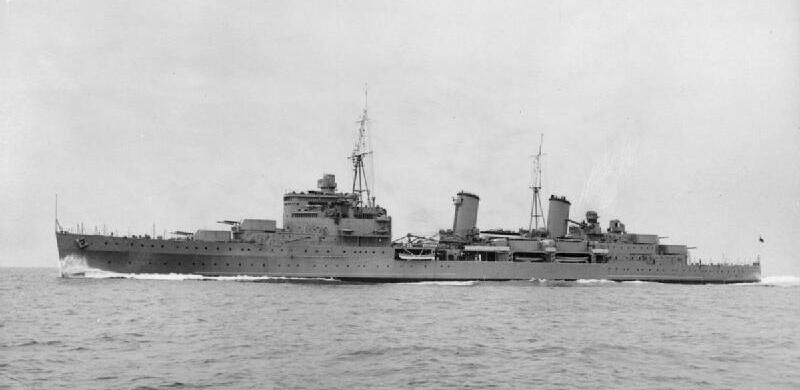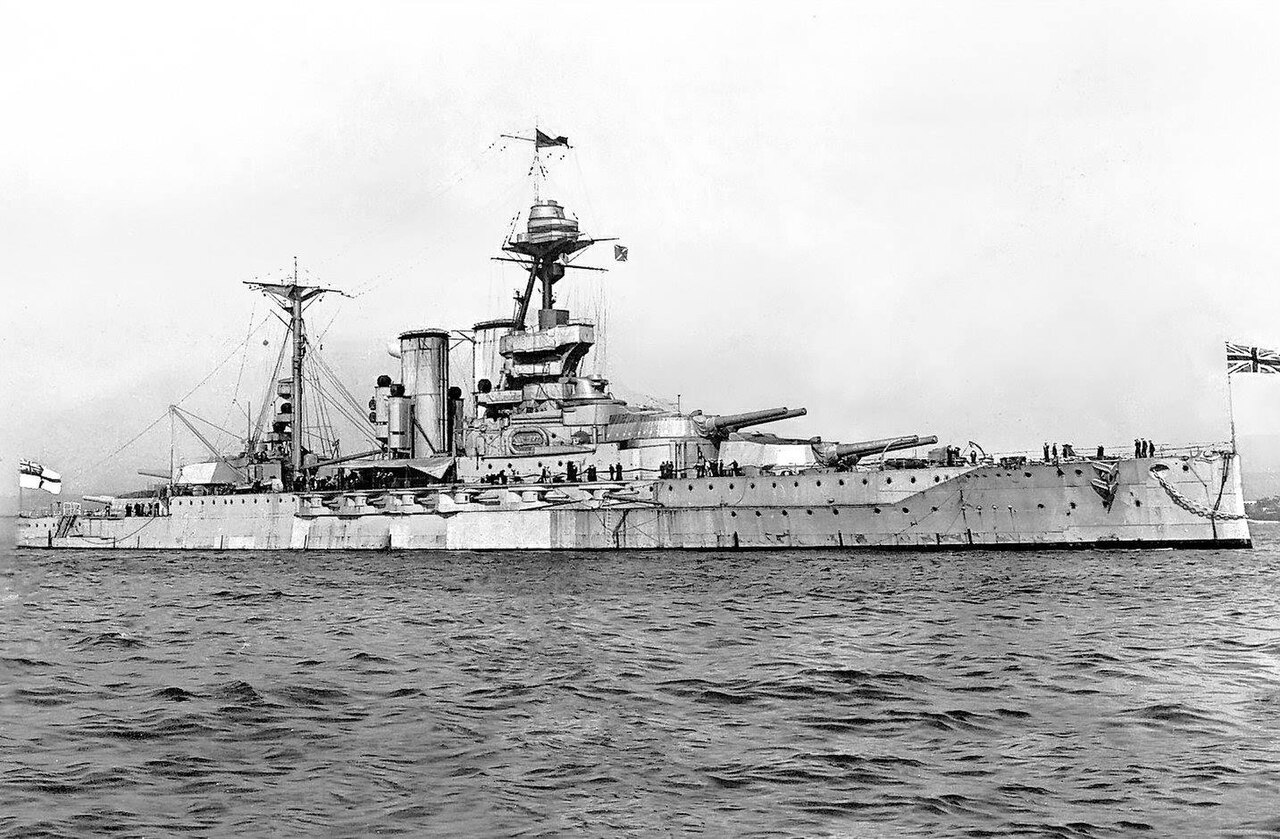
February 9, 1941. Force H sailed from Gibraltar under Vice Admiral James Somerville. The formation: the battleship HMS Malaya, the battlecruiser HMS Renown, the aircraft carrier HMS Ark Royal, the light cruiser HMS Sheffield, and ten destroyers. Their target was the Italian naval base at Genoa, where British intelligence believed three Italian battleships were docked.
The operation was codenamed Grog. This is not a joke.
The Bombardment
At dawn, the British ships took position approximately 13 nautical miles offshore and opened fire on Genoa harbor. Malaya and Renown sent their main battery shells into the port facilities, shipyards, and industrial areas along the waterfront.
The bombardment lasted about 30 minutes. The results were considerable. Twenty-two vessels were hit. Four cargo ships sank. Dock installations, rail lines, and an oil depot were damaged. The Ansaldo shipyard took multiple hits.
The Italian battleships that British intelligence had reported? They were not there.
144 civilians were killed. 272 were wounded.
The Shell
HMS Malaya carried eight 15-inch guns — 381mm, each shell weighing nearly a ton. From 13 miles out, a gunnery officer’s error sent one of those armor-piercing rounds off target. Way off target.
The shell sailed over the harbor, over the waterfront, over the streets, and struck the Cathedral of San Lorenzo. This is Genoa’s main cathedral, built starting in the 12th century, consecrated in 1118. It sits in the old city center, well inland from the port.
The 381mm round punched through the roof. It pierced the covering of the left nave. It hit the central floor of the cathedral.
It did not explode.
An armor-piercing shell from a Queen Elizabeth-class battleship, designed to penetrate 12 inches of hardened steel at range, simply embedded itself upright in the stone floor and stopped. The Genoese who entered the cathedral after the bombardment found a near-ton piece of ordnance standing in the nave like it had been placed there.
Why It Didn’t Explode
Armor-piercing naval shells are designed with delayed fuses. They are meant to punch through armor plating first, then detonate inside the target. The shell needs to hit something hard enough and at the right angle to trigger the fusing mechanism. A cathedral roof and a stone floor were not what the shell was expecting.
The shell passed through the roof and decking material without sufficient resistance to arm the fuse. By the time it hit the floor, it had slowed enough that the impact wasn’t violent enough to trigger detonation. So it just sat there. A dud, in the most technical sense.
The Aftermath
The cathedral survived. The structural damage from the shell’s entry was repaired. The war moved on. Force H returned to Gibraltar on February 11, having completed its mission — minus the three battleships that were never there.
The Italians were furious. The bombardment of Genoa was one of the few direct British attacks on the Italian mainland this early in the war, and 144 dead civilians ensured it became a propaganda point for Mussolini’s government.
The cathedral became something else entirely. The locals kept the shell. It was displayed in the right nave, a silent piece of evidence that a British battleship had, through simple human error, nearly destroyed a building that had stood for 800 years.
The original shell was eventually removed and destroyed at sea for safety — even unexploded ordnance from decades ago does not get more stable with time. But the Genoese had a full-scale replica made. Exact dimensions. Exact weight markings.
It is still there today. The Cathedral of San Lorenzo, in the historic center of Genoa, displays a 1:1 replica of a 381mm armor-piercing shell from HMS Malaya in its right nave. A small plaque explains what happened on the morning of February 9, 1941. Tourists photograph it. Locals walk past it on their way to mass.
A gunnery error from 13 miles offshore, preserved in stone.
Sources
- Operation Grog - Wikipedia
- HMS Malaya - Wikipedia
- Genoa Cathedral - Wikipedia
- 381mm Shell - Genova - TracesOfWar.com
- Cathedral of San Lorenzo - genovabb.it
Photo credit: HMS Malaya leaving New York Navy Yard, 1941 — Wikimedia Commons / Imperial War Museum, Public Domain